
Exploring Dietary Supplements for Male Wellness
A Comprehensive Guide to Men's Vitamins and Nutritional Support
Educational content only. No promises of outcomes.
Understanding Key Nutrients
Essential nutrients form the foundation of men's health and well-being. These include vitamins, minerals, amino acids, and healthy fats that support various bodily functions. Understanding what these nutrients do and where to find them is crucial for informed health decisions.
Key nutrient categories include macronutrients (proteins, carbohydrates, fats) that provide energy and building blocks for tissues, and micronutrients (vitamins and minerals) that support thousands of bodily processes. Each plays a distinct role in maintaining optimal health.
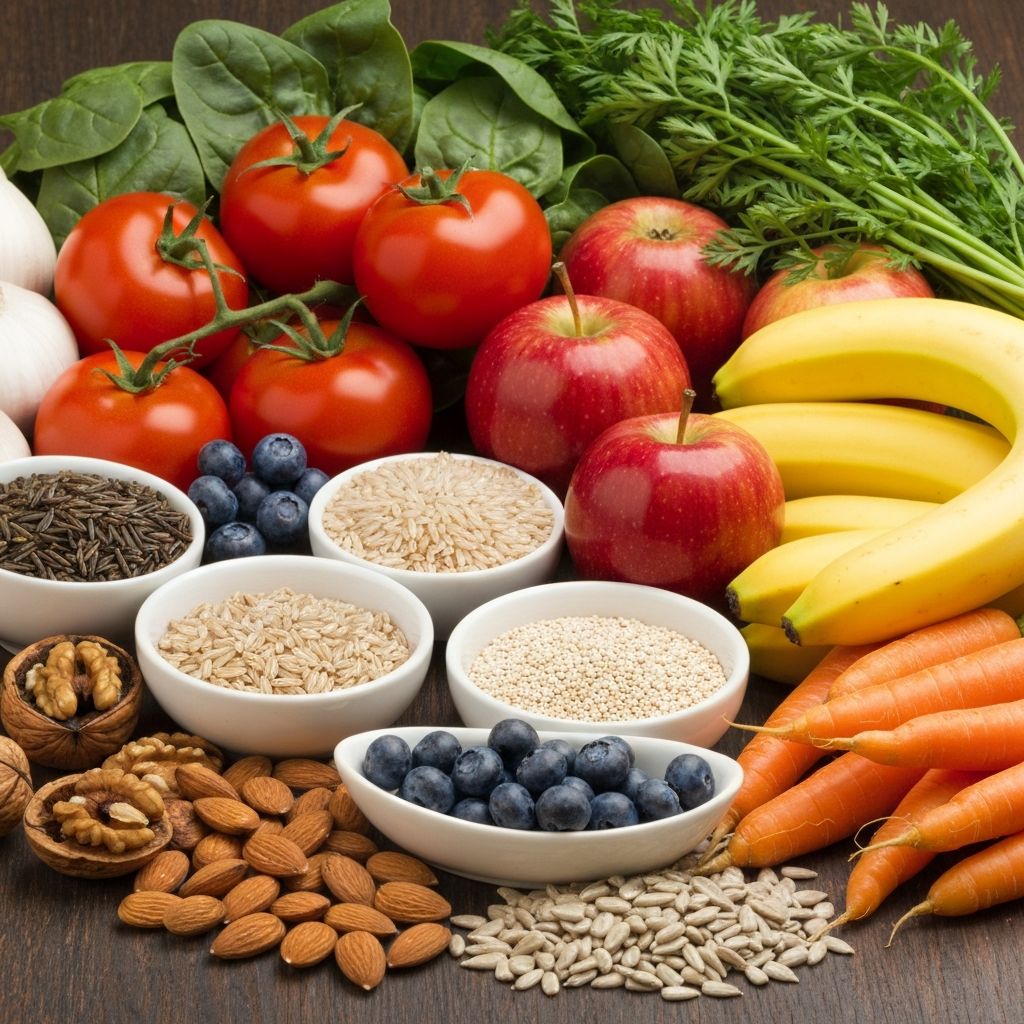
A balanced diet rich in whole foods typically provides most nutrients needed for health. However, certain life stages, activity levels, and dietary preferences may create specific nutritional needs.
The Role of Vitamins in Men's Health
Vitamins are organic compounds that support essential bodily functions. Vitamin D regulates calcium absorption and supports immune function. B vitamins help convert food into energy and support nervous system health. Vitamin C plays a role in immune support and collagen formation.
Each vitamin has specific roles: Vitamin A supports vision and skin health, Vitamin E acts as an antioxidant, and Vitamin K supports bone health and blood clotting. Most vitamins cannot be stored long-term by the body, making regular dietary intake important.
Water-soluble vitamins (B and C) dissolve in water and excess amounts are typically excreted. Fat-soluble vitamins (A, D, E, K) can be stored in body fat, making balance important. A varied diet typically provides adequate vitamin intake for most individuals.
Minerals Essential for Male Well-being
Muscle and Nerve Function
Magnesium is involved in over 300 enzymatic reactions in the body, supporting muscle function, energy production, and nervous system health. It contributes to protein synthesis and helps maintain normal muscle and nerve function.
Enzymatic Processes
Zinc supports protein synthesis, DNA creation, and immune system function. It plays roles in wound healing, taste perception, and normal growth. Zinc is involved in numerous enzymatic reactions throughout the body.
Antioxidant Support
Selenium is an essential mineral that supports thyroid function and acts as an antioxidant, protecting cells from oxidative stress. It plays important roles in reproduction and immune system health through selenoprotein formation.
Botanical Extracts and Their Traditional Uses
Throughout history, various cultures have used botanical extracts for general wellness and vitality. Plants contain numerous bioactive compounds that have been studied for their potential effects on human health. Understanding the traditional uses provides historical context for how different cultures approached wellness.
Many modern nutritional supplements derive from traditional botanicals. For example, Tribulus terrestris has been used in traditional medicine systems, saw palmetto in Native American practices, and various mushrooms in Asian wellness traditions. These historical uses have prompted scientific investigation into their properties.
Modern research continues to examine botanical compounds, but traditional use does not guarantee efficacy or safety. Scientific evidence varies widely among different botanical extracts. Each compound requires individual assessment based on available research.

Debunking Myths about Supplements
Myth: More is Always Better
Taking excessive amounts of supplements can be counterproductive or harmful. The body has specific needs for each nutrient. Exceeding recommended levels does not provide additional benefits and may create imbalances. Quality of supplementation matters more than quantity.
Myth: Supplements Replace Food
Whole foods contain hundreds of compounds, fiber, and nutrients that supplements cannot fully replicate. Supplements are meant to complement a balanced diet, not replace it. Whole foods provide nutrients in forms the body recognizes and utilizes efficiently.
Myth: All Natural Means Safe
Natural origin does not guarantee safety or efficacy. Some natural substances can cause side effects or interact with medications. Rigorous testing and regulation help ensure product quality. Natural compounds require the same scientific scrutiny as synthetic ones.
Lifestyle Factors for Optimal Health

True wellness extends beyond supplementation. A balanced diet rich in whole foods provides the foundation for health. Regular physical activity improves cardiovascular health, muscle strength, and mental well-being. Adequate sleep allows the body to repair and regenerate.
Stress management techniques such as meditation, deep breathing, and mindfulness support mental and physical health. Social connections and meaningful relationships contribute significantly to overall wellness. Limiting alcohol and avoiding tobacco use support long-term health goals.
Hydration, sun exposure for Vitamin D synthesis, and environmental factors all influence health. A holistic approach that addresses multiple life areas typically produces better outcomes than focusing solely on nutrition or supplementation.
How Nutrients Support Energy and Vitality
Energy production is a fundamental bodily function that depends on multiple nutrients. Carbohydrates, fats, and proteins all contribute calories that fuel activity. B vitamins serve as coenzymes in energy-producing metabolic pathways, converting food into usable energy (ATP).
Mitochondria are cellular structures responsible for energy production. They require coenzyme Q10, iron, magnesium, and various B vitamins to function optimally. When these cofactors are present in adequate amounts, energy production proceeds efficiently.
Vitality encompasses more than just energy levels—it includes physical performance, mental clarity, and overall sense of well-being. Adequate nutrition, combined with exercise and quality sleep, supports these aspects. Individual nutritional needs vary based on genetics, activity level, and life stage.

Digestive Health and Nutrient Absorption
A healthy digestive system is essential for optimal nutrient absorption and overall wellness. The gastrointestinal tract breaks down food and absorbs nutrients through the intestinal lining. When digestive health is compromised, nutrient absorption suffers regardless of intake quality.
Key Aspects of Digestive Health
- Stomach acid: Essential for breaking down proteins and minerals like zinc and iron into absorbable forms
- Enzymes: Digestive enzymes facilitate the breakdown of macronutrients into smaller molecules
- Gut microbiome: Beneficial bacteria produce certain vitamins and support intestinal health
- Intestinal lining: A healthy intestinal barrier prevents unwanted substances from entering the bloodstream
- Transit time: Neither too fast nor too slow—optimal transit time allows adequate nutrient absorption
Antioxidants and Cellular Protection

Oxidative stress occurs when free radicals—unstable molecules with unpaired electrons—accumulate in the body. This can result from normal metabolism, environmental exposure, and lifestyle factors. Antioxidants stabilize free radicals, helping protect cells from damage.
Various compounds act as antioxidants, including Vitamin C, Vitamin E, selenium, and plant phytochemicals like flavonoids and polyphenols. Different antioxidants work in different cellular environments, supporting complementary protective functions. A diet rich in colorful fruits and vegetables provides diverse antioxidant compounds.
While antioxidants play important roles in cellular protection, excessive supplementation does not necessarily provide additional benefit. In fact, high-dose antioxidant supplementation has shown mixed results in research. Moderation and balance with dietary sources appear optimal for most individuals.
The Science Behind Natural Compounds
Scientific research employs rigorous methodologies to study natural compounds and their effects on biological systems. Understanding these research approaches helps distinguish between rigorous evidence and unsubstantiated claims.
In Vitro Studies
Research conducted in test tubes and petri dishes that examines how compounds interact with cells. While valuable for initial screening, results may not translate to living organisms. These studies establish feasibility and mechanisms of action.
Animal Studies
Testing in animal models allows researchers to study whole-organism effects and potential toxicity. Animal data provides crucial safety and efficacy information. However, results don't always transfer directly to humans due to biological differences.
Human Clinical Trials
Gold-standard research involving human participants. Randomized, controlled trials with adequate sample sizes and blinding provide the strongest evidence. Long-term and large-scale studies reveal effects in real-world populations.
Limitations and Context
This resource provides general information for educational purposes only. It does not offer individual medical advice or recommendations. Approaches to health and wellness can vary greatly, and the information presented here should not replace personal decisions or professional consultations. Individual responses to supplements and dietary interventions vary significantly based on genetics, current health status, medications, and other factors.